fbpx
Pardon our dust! We are in the middle of a website redesign.

Macular Degeneration

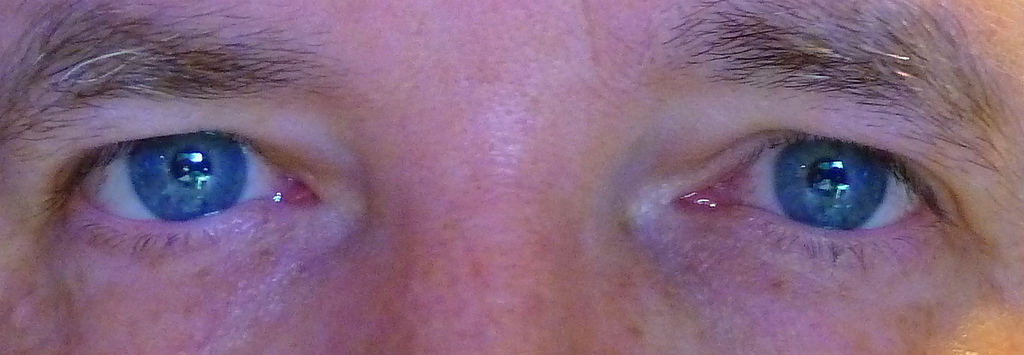
Image by F Delventhal - Creative Commons

There is something mystical about sight. Vision is so mechanically complex that we all take our eyesight for granted until something goes wrong. As we age there are numerous ways that our eyesight can be compromised. Many of us are familiar with cataracts and understand what they do to blur vision. Cataracts are one of many possible vision problems as we age. Lately, my attention has been drawn to a number of my friends at Sierra View Homes and family members who have been diagnosed with macular degeneration. I realized I did not know much about the disease and became interested in understanding macular degeneration better. 

In a healthy eye, the eye receives and processes light. The retina takes the light and turns it into signals that the brain interprets as visual images. The macula is part of the retina where the detailed central vision happens. Peripheral vision is the side vision and is the less acute vision and is not affected by macular degeneration. 

People 50 years and older can be affected by Adult Related Macular Degeneration (AMD). AMD happens when the macula part of the retina is slowly destroyed, and represents the leading cause of vision loss in older adults. People who have macular degeneration talk about how blurred the central part of their vision is. AMD affects the central vision of one or both eyes by causing blurred vision and shadows that create blind spots. This causes problems with activities such as driving, sewing and reading. b            

There are two forms of AMD: wet and dry. Either version can cause severe vision loss. The dry form is the most common. It has three stages, early, intermediate and advanced. The dry AMD increases slowly as the light-sensitive cells in the macula gradually break down causing the central vision to blur. There are few symptoms in the early stages so you may not be aware things are changing.  AMD is not painful and if you are not getting regular eye exams you may miss the early symptoms. In the later stages, the blurred vision is the most common symptom. AMD usually does not affect both eyes equally. You can have it in one eye, or it can be in both eyes but in different stages. 

The wet AMD is the advanced form of AMD. People who have the dry AMD are at risk of the disease progressing to the wet AMD. Wet AMD happens when new blood vessels under the macula leak blood and fluid causing the macula to break down quickly. Blood and fluid can cause the macula to swell damaging the retina and create scarring of the retina. Wet AMD causes the central vision to become distorted. Straight lines look wavy and blurred. It can also cause a blind spot that is in the center of your vision. The good news for people with wet AMD is that eye care professionals can delay or even stop the progression of the disease. There are several therapies that could be done. None of them are a cure for AMD. It is important that you work closely with an eye care professional to determine what  is the best therapy for you. 

AMD affects older adults. People who are 50 and older should get regular testing done.  As we age our chances of AMD increases. Caucasians are more likely to get AMD than people of other nationalities. If you smoke you double your chances of AMD and if your grandparents or your parents had AMD you are at higher risk. 

Research is telling us to avoid smoking, exercise, maintain normal blood pressure and cholesterol levels, and eat a healthy diet with an abundance of green leafy vegetables and fish to reduce the impact of AMD. Have regular eye exams and follow your eye care professional’s advice to slow down or stop the progression of the disease. 

In my discussions with people with macular degeneration, I sense the frustration of not being able to do the things that once were so easy. It becomes difficult to sing out of the hymnal in church because the eyes can’t focus to read the print of the song. Using the computer becomes more frustrating because there is not enough contrast to see clear enough to work the different functions. Driving becomes difficult when you need to look all directions and have a spot you can’t see through. The central part of our vision is necessary for so many tasks. It would be easy to become depressed. If someone you know has AMD, it is important to stay supportive and to help the person as they work on rearranging their life style to accommodate the vision changes. There is no cure for AMD but with support those affected by AMD can lead a happy healthy lifestyle.

Do You Own a Pet?

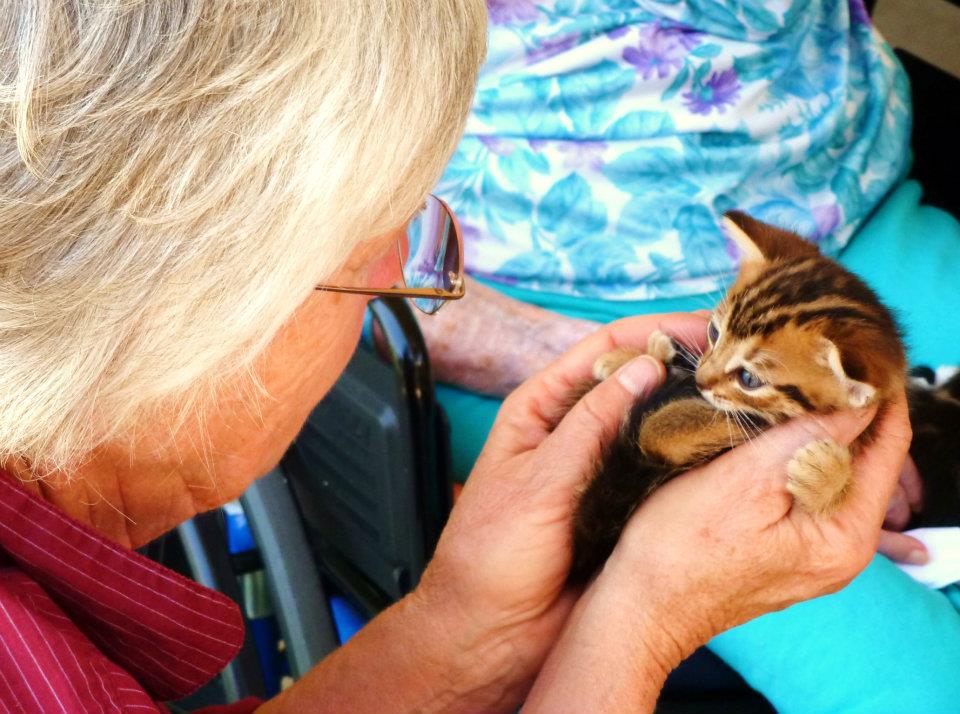
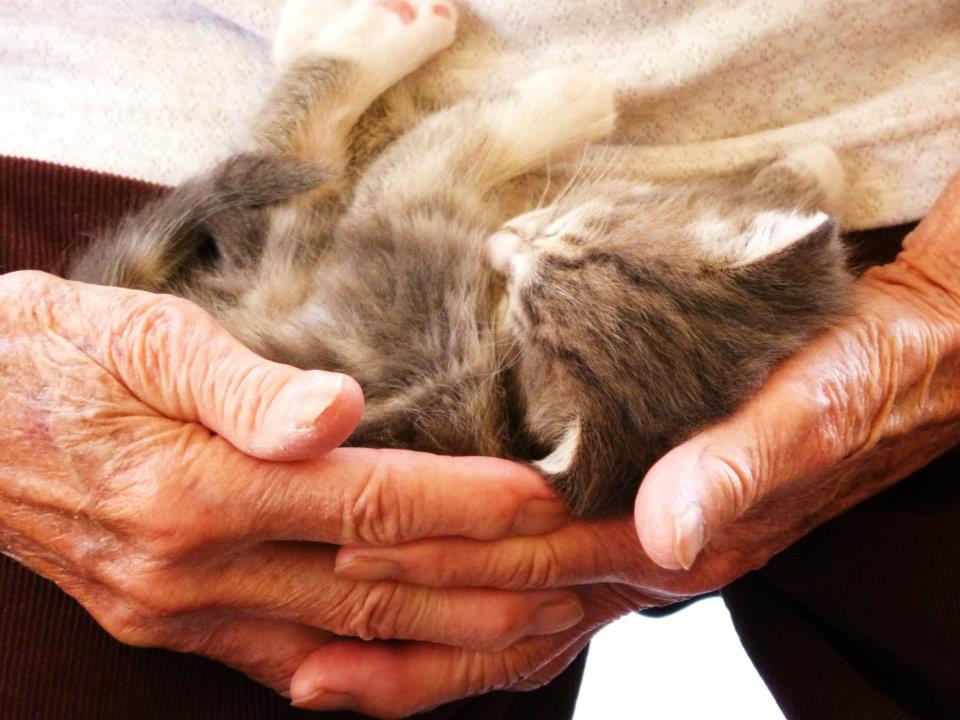
Looks like this kitty enjoyed her visit to Sierra View's nursing care center!

Pets can be good medicine.

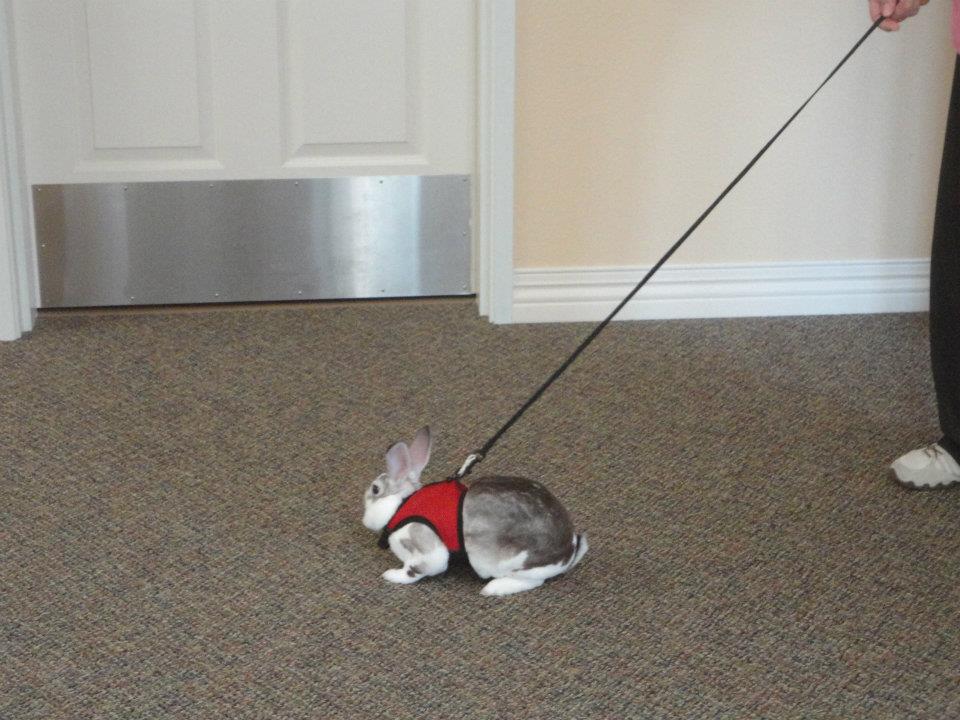
Do you own a pet?  Pet lovers are quick to tell you about the immediate joys of pet ownership. At Sierra View, we pride ourselves in our lenient pet policy, which has allowed many independent and assisted living residents to bring their furry loved ones with them. As a result, our campus boasts many non-human residents – from small dogs, cats, birds, and fish to a friendly bunny who hops down the Sierra View hallways on a leash!

A common sight in the halls of The Terraces, Sierra View's independent senior apartment building.

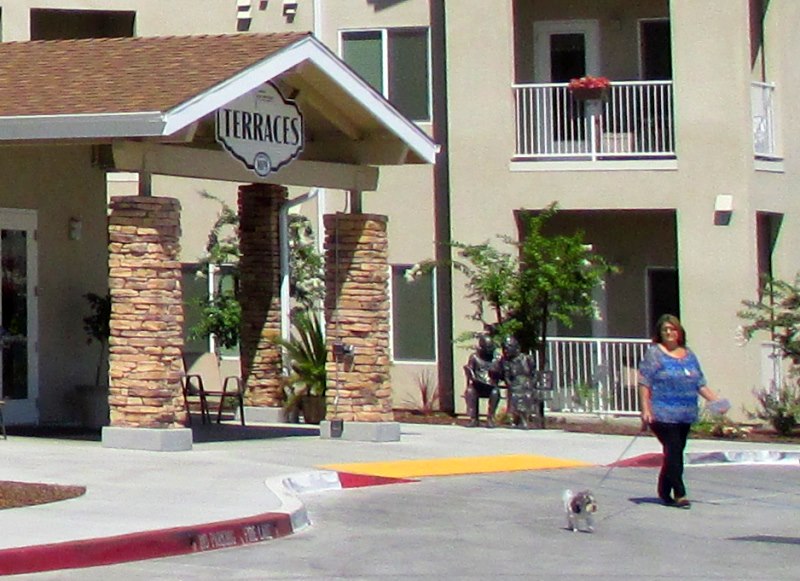
One resident of Sierra View Terraces senior apartments told me she has always had a pet. “When you live on the ranch you must have dogs,” she said. Her small dog lives with her in her Sierra View Terraces apartment, and makes friends with passers-by on daily strolls around the neighborhood. “The companionship is special, and I am so thankful for my dog. He lets me know when someone is walking up to my door, and is a great conversation starter when we meet people on our walks.”

Researchers have been looking at the possibility of health benefits for pet owners.  Studies on the effects of owning and caring for a pet have revealed that pet ownership can bring remarkable results for your health. 

Studies show that pet owners are less likely to suffer from depression. Pet – especially dogs and cats – fulfill the basic human need for touch. They offer unconditional love, attention, and companionship. Caring for a pet can boost your morale and bring pleasure to your days. Pets require regular feeding and exercise so, no matter how depressed, anxious or stressed you are, your pet needs you to care for it. Being needed, and the job of taking care of an animal, can give your life purpose and provide a sense of self-worth. Veteran groups have seen amazing changes in depression with disabled soldiers. Some animals can even sense a person’s mood and purposely try to change it. 

Stroking, holding, cuddling, or otherwise touching a loving animal can have a powerful effect in lowering blood pressure. Touch and movement are two healthy ways to deal with stress. Pets encourage playfulness, laughter, and exercise. Studies show that playing with a pet can elevate levels of serotonin and dopamine, which calm and relax us. Laughing at the antics of a playful pet helps you enjoy life, and adds to your sense of well-being.   

Having a pet can also be heart-healthy. Research shows that heart attack patients who have pets recover more quickly and have longer life spans than non-pet owners. Going for walks with your dog, riding a horse, or chasing a kitten keeps you moving in heart healthy ways. “My dog has to say hello to everyone, and that makes my walks with him take a long time,” mentioned a Sierra View resident. “So I end up getting more exercise!” 

Pets also help us take better care of ourselves. When you have a pet, you have to be there to take care of it. In fact, pet owners over age 65 are less likely to need to visit the doctor with ailments. Pets encourage laughter, playfulness, and exercise. All three boost your immune system and increase your energy. 

A pet does not have to be a cat or a dog. There are many animals to consider. When you decide to get a pet, look at your home environment, your time commitments, how active you are now, and who else lives in your home. Some pets require more time than others, so think about what the pet requires and if that commitment works for you. 

Pets are not for everyone. It is important to weigh the pros and cons when considering a pet. Food, shots and equipment can represent a significant financial investment. Some animals, especially dogs, may need training and ongoing time for walks and outdoor play. The time commitment cannot be shortchanged, so it is necessary to look at the time you can devote to a pet. Additionally, a particular pet’s lifespan and adult size should be considered – for example, some tortoises sold in pet stores can live up to 100 years and grow to weigh hundreds of pounds. 

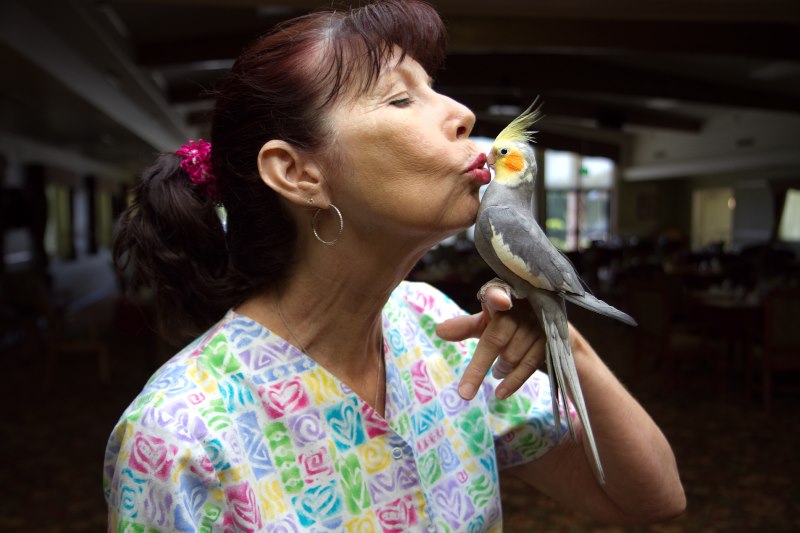
Throughout our retirement campus, Sierra View Homes Retirement Community has several birds and aquariums for residents to enjoy. Sierra, one of our most popular birds, can often be found on a resident’s shoulder happily taking a break from sitting in her cage.  Recently, three-week-old kittens brought smiles and cuddles to many people in both our Nursing Care Center and Assisted Living. We also have visiting animals, such as a therapy dog that stops by frequently to cheer up anyone who wants a bit of love. 

Owning a pet has many positive attributes. If you (or your parents) are feeling down, stressed out, lonely, or have health issues, consider purchasing a pet. Researchers have found the pet owner feels remarkably better in just a few short months. As we age and our families and friendships change, caring for a pet can give you the lift you need to stay healthy and happy well into the future.

Retirement Communities and Eating Habits

Could moving to a retirement community improve my eating habits and help me eat a healthier diet?   
– D. Mc. of Reedley, California

Yes! Living in a retirement community does encourage better eating habits. Very often, socialization during meals results in an increase in appetite.

Having a healthy diet with proper nutrition has benefits, such as increased mental ability, better mood stability, a strong immune system, more energy and faster recuperation times.

As we age there are factors that cause our eating habits to change, such as the loss of a spouse, a limited budget, metabolism starts to slow down around age 40. Activity levels change due to medical or physical problems. Our sense of taste and smell diminish and various factors can cause appetite changes, such as medication, depression, or an acute or chronic medical condition.

In the aging process we need to continue to exercise.  Statistics show weight more than age determines how much energy we have.  Eating food with fiber keeps the digestive system working well. Taking calcium walking and getting 15 minutes of sunlight daily, helps keep bones strong. Drinking plenty of water promotes regularity, helps our joints, keeps us feeling energetic and much more.  Avoiding foods with high sugar content is important; sugar can suppress the immune system, weaken eye sight, and contribute to obesity, diabetes and other chronic health issues.

Retirement living facilities offer help with maintaining good eating habits. Some independent living facilities have meal plans that can be purchased by the people who live there. There are facilities that offer one meal a day; others offer 2 or more. Some have the meal plan built right into the rental price. There are also assisted living and skilled facilities that serve 3 meals a day.

It should be noted that retirement communities create menu cycles based on the direction of a registered dietitian. For example, SVH has John Varin, RD who verifies diets for proper nutrient content and gives direction to the kitchen supervisor in coordinating food preparation and modified diets. . Retirement communities offer nourishing meals and the socialization encourages better nutrition by continuing to wet the resident’s appetite.

If living in a retirement facility is not an option then try having a potluck frequently with friends. Go to the community center either in Dinuba or Reedley for a noon meal M-F.

Both programs are serving meals very reasonably priced and offer other activities with possibilities to meet new friends and have things to do.

The life span for the average American is increasing. A healthy diet and regular exercise can help us live those extra years with energy, and enjoyment.

This article was co-written with John Varin, R.D. He is the consultant dietician for Sierra Kings Hospital and a number of long term care facilities in the Reedley area.