
fbpx
Pardon our dust! We are in the middle of a website redesign.

5 Tips to Eat Your Way to a Better Mood

The holidays have come and gone and now we may be facing the added pounds from all those Christmas goodies. There can be a feeling of disappointment or even disillusionment as we pack away the Christmas decorations. Those New Year’s resolutions are already a challenge to keep. Maybe we can look to food to improve our mood and avoid further negative thought. .

We have all heard that eating a healthy diet can help cut the risks of illnesses especially as we age. Now studies are showing what we eat can affect our mood. I am part of a task Force at Sierra View Homes Retirement Community to study and provide healthier, plant based and protein meals for the Sierra View residents.

There is a strong connection between your brain and your gut. When you are depressed the level of healthy gut bacteria goes down. A healthy gut builds the good chemicals in the brain. Neurotransmitters like norepinephrine, gamma-aminobutyric acid, serotonin are created in your gut. It is important to have good food to keep up your gut health and produce these important brain chemicals.

Studies have been done on diets high in ultra-processed foods. Sodas, instant soups, pre-made and pre-packaged foods tend to lead to obesity and cardiovascular disease. The European Journal of Nutrition examined the diets of almost 15,000 people. They found the people who ate the most ultra processed foods had a 33 percent higher risk of depression than those who ate only minimal amounts. The ultra-processed food have little nutrition such as omega-3 fatty acids and B vitamins that provide brain health. They also are full of sugar and additives that feed the bad bacteria in your gut. The findings show there is a higher chance of depression when this diet is followed.

There is more to mood maintenance than just eating the right food. To have good mood hygiene we need to look at some nutrition strategies:

  • Eat regular meals and snacks at the same times every day. This helps keep your blood sugar levels even. Eating regularly helps keep your body fueled and your gut health in top working condition.
  • Don’t skip meals. When you skip a meal it is easy to over eat at the next meal. Have you heard the term “Hangary”? The combination of hungry and angry.
  • Avoid carbohydrates and junk foods with high sugar content such as candy and soda etc. Sugar creates blood sugar spikes that can have a serious effect on your mood when the sugar spikes wear off.
  • Eat foods that boost mood such as protein. Protein helps to slow the absorption of carbohydrates. It also improves your gut health and therefore increases good brain chemicals. Vitamins such as vitamin D, the sunshine vitamin, give the brain a good boost. Folate helps to ward off depression. Foods such as broccoli, lentils, oatmeal, oranges, and dark leafy greens provide folate. Also, B-12 found in cottage cheese, lean beef and salmon give the brain a feel good boost.
  • Eat foods that contain soluble fiber, like complex carbohydrates. These can slow the absorption of sugar into your bloodstream and increase serotonin the “feel good” chemical. Both work to help maintain a good mood. Complex carbohydrates can be found in oats, beans, pears, peas and Brussel sprouts.

There is a strong connection between food and your mood. By combining strategies for eating regularly with foods that may have a positive effect on your well-being you can develop a plan for feeling better in the New Year.


Chaplain’s Corner: Savoring Life

Do we use our time to really live or do we allow time to use us up? I recently encountered this question in Kathleen Norris’ book, Acedia & Me and it was another reminder that the time we have is a gift from God. The way we use it matters. As a culture we sometimes worship at the altar of productivity. We boast of how many hours of overtime we put in this week or how little sleep we’re running on. We fill every evening with activities and when those brief moments of open time do appear, we pull out our phones.

Jesus was undoubtedly productive during his time on earth, yet it is worth noting how often in the Gospels Jesus withdraws to a quiet place to recharge or carves out time to spend with just the disciples. In a similar way he sought to reclaim the way Sabbath was meant to be observed: “The Sabbath was made for man, not man for the Sabbath” (Mark 2:27).

Take some time this month to just “be,” and instead of feeling guilty about it, remember that we honor God’s gift of life by taking the time to truly savor it.

Happy Fall!

The seven wonders of the world are not places, but…

Chaplain’s Corner: The Fear of Fear is Community

I had the opportunity to take our youth group to our biennial church conference in Kansas City several weeks ago. Dustin Gaylon, one of our speakers speaking during a morning worship session, made the comment that “the fear of fear is community.”

In the Gospel of John, as the end of his time on this earth nears, Jesus promises his disciples that he will not leave them comfortless. Before he is taken up into the sky the disciples receive the power of the Holy Spirit. But we should also not forget that as Jesus hung on the cross in John 19:25-27 he also instructs his followers to care for each other.

While the disciples were initially paralyzed with fear cowering and barricaded in a room following the crucifixion, they were soon empowered, not just by the Holy Spirit, but through the community they shared with each other as they spread the Gospel and planted new communities of faith.

The things we fear most, when brought before God and shared with our community of faith, become much more bearable. Community is a gift of comfort from God. Let us embrace it with open arms.
– Caley Ortman, Chaplain

Laughter Is Good For You

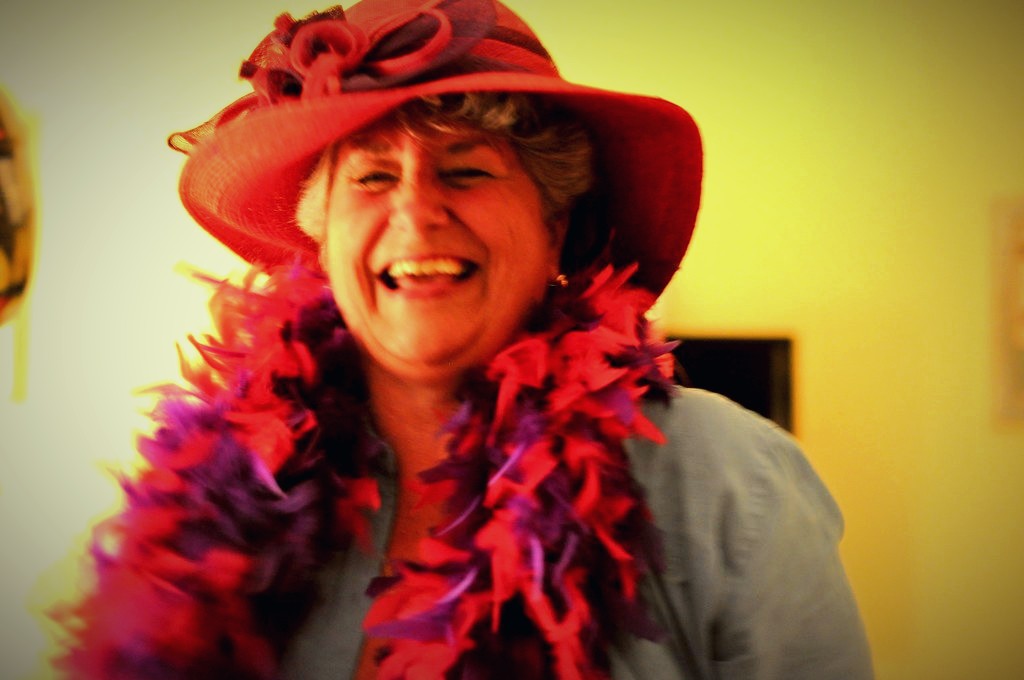
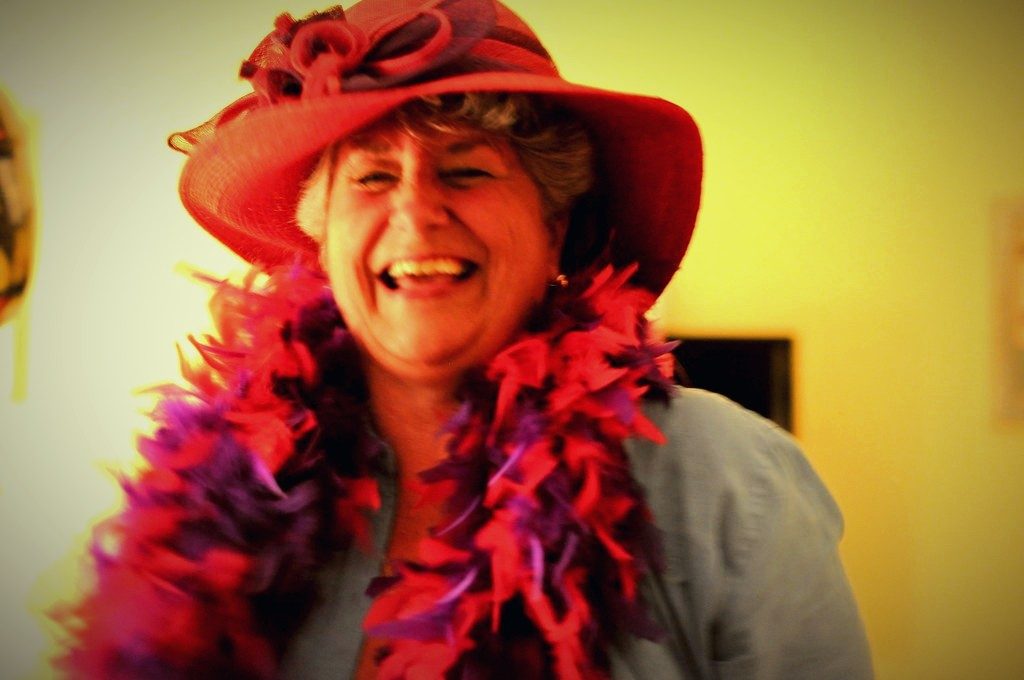
Laughter is contagious. It is a way to create friendships and give everyone the opportunity to be part of something. Recently, I visited the Sierra View Homes Kings Canyon Dining Room during the evening meal. As I encountered the people at each table, I asked for a “good Joke.” I said I was writing an article about humor and its effects on people and I needed some jokes to add to the mix. There were smiles all around and then the person who always has a joke ready responded “You know I have had several good years in my life.” but they were all tires.” It took a moment for that one to sink in but as each person at the table got the meaning of the joke, you could hear the groan and laughter. All of us knew about Goodyear Tires. I thought it was a good joke and repeated it at several tables that evening. Each time we all enjoyed the laughter.

Laughing makes people feel good. Studies show that laughter boosts the immune system and triggers the release of pleasure-inducing neurochemicals in the brain. The brain then releases powerful endorphins, which are morphine-like compounds that reduce pain, increases our sense of well-being and improves the amount of oxygen in the bloodstream.

Laughter helps to create a positive mood. You cannot stay angry while you laugh. Anxiety and tension release giving way to good feelings. Laughter can become a temporary vacation from everyday problems. Your sense of humor is one of the most important tools you have to enhance your mood and support good health.

If you laugh easily and are pleasant natured you will find people will want to be around you. Being able to laugh at yourself adds to your appeal to those around you.

Laughter stimulates memories and improves mental acuity in the population that have a dementia diagnosis. Studies show clowns clowning around with people help improve memory, language and communication. Maybe it is the red nose that enables these folks to reach back in their memories and bring those memories to the present.

Some of us have to work at laughing and some of us laugh easily. I have a few suggestions on how to work on increasing your ability to laugh.

Do you smile often? If you smile easily, you have a good start in a great sense of humor. Smiling is contagious just like laughter and instantly creates a warmth and a feeling of enjoyment. People gravitate towards people who are smiling. Practice smiling at the people you meet. See if they will smile back at you. You might be surprised at how good this makes you feel.

Counting your blessings helps you look on the brighter side of life. I encourage you to write down your blessings and add to the list as you encounter new ones. This activity will keep you from dwelling on what is wrong in your life and encourage you to search for positive things to add to the list.

You can watch movies or TV shows that make you smile. “I Love Lucy” is a TV show that comes to mind. Some people make a hobby of collecting jokes. I found out the resident who is always ready with a joke collects jokes so he is ready to tell a new one. There are humorous books to read and then there documentaries such as the one Carl Reiner hosted. The documentary is titled, “If you are not in the obituary, eat breakfast.” Famous elderly people talk about how humor has kept them heathy and has helped with their longevity. Mel Brooks, 93, and Betty White, 97, are a couple of the people interviewed.  

I have noticed if I am in a jovial mood with a ready laugh the people I meet easily and quickly relate to me. It is easy to strike up a conversation and people feel comfortable talking with me. They are ready to share a laugh with me. It seems like everyone is waiting for a smile and/or a laugh.

So, have you heard this one?An elderly gentleman had serious hearing problems for a number of years. He went to the doctor and the doctor had him fitted for a set of hearing aids. This allowed the gentleman to hear very well. The elderly gentleman came back to see the doctor a month later. The doctor said, ‘Your family must be really pleased that you can hear again.’ The gentleman replied, ‘Oh, I haven’t told my family yet, I just sit around and listen to the conversations. I have changed my will three times!’

P.S. If you need another emergency dose of good feels, just spend some time scrolling through the Creative Commons image search category “LAUGHTER.” So joyful it’s impossible not to smile!

Dementia is Hard Work for Both Sides

Recently, while attending an educational conference, I attended a class taught by Laura Wayman. She has written a book on “A Loving Approach to Dementia Care.”

Dementia is not a specific disease; it is a term used for a group of brain disorders. Many diseases can have a dementia component. Alzheimer’s disease is probably the most prevalent. Recent studies show there are many more diseases that can result in dementia.

What is dementia? How can I tell if my loved one is on this path or could the problem be rectified? According to the Alzheimer’s Association, here are some symptoms that should not be ignored. Symptoms from the list include short-term memory loss when a person’s immediate memory is being challenged. Another issue can be the loss of the ability to process everyday activities which creates difficulty performing familiar tasks such as cooking, making a telephone call or remembering how to play a game. Struggling with words can be a sign of a problem. Individuals with Alzheimer’s disease often forget simple words or substitute an unusual word leaving the listener confused as to what is being said. Significant mood and/or behavior or personality changes could be a reason to be tested. We all have times when these symptoms are present. It could be brought on by medication, exhaustion, or stress. If you or your loved one is experiencing any of these symptoms for an extended period of time, seek help from a doctor who specializes in diagnosing dementia. For most of us, the symptoms will disappear when we take care of ourselves.

Laura Wayman talked about the caregiver of someone with dementia. She spoke about her mother’s journey as her father’s caregiver and shared insights she learned from watching them.

One of the issues for caregivers is the dementia-related person’s lack of ability to process thoughts and/or activities which often leads to trouble when a caregiver is trying to communicate. If a question is asked, an answer is expected. What happens when you cannot process the question? Anger and frustration can flare up. As our loved ones move deeper into dementia, it is important to remember not to ask questions. Wow, is that hard. I came back from my conference and noticed how often I would interact by asking questions of the people in Sierra View Homes Marden’s Place. We naturally want to ask questions. I did find I was successful in just talking with the resident because I got pleasant happier feedback.

The inability to process what is going on also means there is no good way for someone with dementia to tell us what is going on with him or her. Often, their behavior is the only way to understand there is an issue. People with dementia can be mirrors of the emotions of their caregivers. Have you heard the phrase “it is not what you say; it is how you say it”? In life, we all have encountered times when we felt put down or that someone was angry with us. Did the words stay with you or the tone of voice that caused you to take notice? If you are impatient and/or try to rush the dementia-related person, they will slow down. Showing you are frustrated and upset often leads to resistance and aggressive behavior. Laura stressed the importance of staying calm so everyone can have a better experience.

If you are a caregiver, it is extremely important to take care of yourself. You need to educate yourself on what to expect as the dementia progresses and to make sure you ask for help so you can step away for a few hours every so often. It is important that you keep yourself healthy and have the ability to cope with the situation. All too often, the caregiver becomes “worn out” and passes away too early.

Many of our residents’ family members find that interactions with their loved ones become more positive after they have moved into Marden’s Place Memory Care, our dementia-care assisted living. Not worrying about day-to-day caregiving tasks frees family members up for the positive, loving, meaningful interactions that they crave.

There is no cure for people with dementia. Studies show there are many more ways to get dementia than we previously thought. As the Baby-Boomer population ages we will see more people with a disease that has a dementia factor. Laura Wayman shared with those of us in her class the importance of continuing to be educated about dementia. The care of the dementia-related person is difficult, but the approach you use can significantly help you.

Chaplain’s Corner: Embodying Resurrection

It may come as no surprise that I have been reflecting a lot on resurrection this month. This is the season we focus our attention on the event of the resurrection.

Anticipation builds in the church as we near the end of Lent. We sing hosannas on Palm Sunday, take communion on Maundy Thursday, reflect on the seven last words of Jesus on Good Friday, and show up for the highest attended Sunday service on Easter morning to celebrate the resurrection.

But how do we keep from losing that energy when we head back to work on Monday? I believe one way to do so is by understanding resurrection as not only a one-time event found in scripture, but also a reflection of the character of God that we are to carry forth into the world.

Resurrection means seeing the good in people and in situations where the world has long given up. It means being faithful even when the work does not seem to bear fruit or “results.” And it means releasing the logic of our own minds to the mysterious wisdom of God’s plans.

Let us not stop the Easter celebration of resurrection on Easter this year. Let us go forth and embody resurrection as well, so that the world may know the love of God through our actions.
Caley Ortman, Chaplain

Service Animal or Emotional Support Animal – What’s the Difference?

Service and emotional support animals are becoming more and more common. The last time I flew to Kansas, in the Dallas Fort worth airport I counted at least three dogs that the owners kept near and one service dog helping its handler to maneuver through the crowds safely. It seems more and more people are realizing the benefits of having an animal in their life. A bakery in Morro Bay has a whole display case full of doggie treats so people who are vacationing can purchase something yummy for their dog as they sip their coffee and have a sweet roll.

When we opened the Terraces at Sierra View Homes Retirement Community, we decided to become pet friendly. That was a game changer for many people looking for a pet-friendly retirement community. As of today, we have had numerous dogs (must be small dogs) cats, birds and a bunny living in the apartments.

So, what is the difference between a service animal and an emotional support animal? A service dog is trained to do specific tasks for the disabled person assigned to them. The disability could be physical, sensory, psychotic, intellectual or other mental disability. Only a dog can be a service animal no other animal can be considered a service animal according to the ADA.

A service dog can be trained to assist an individual who is blind or has low vision and navigating streets are difficult. They can alert someone who is deaf to the presence of people or sounds. Pulling a wheelchair, assisting an individual during a seizure, and retrieving items such as medicine are a few of the things a well-trained dog can do. Each service dog is trained specifically for the person who will receive the dog.

Service animals are usually allowed in most public areas as long as the dog is under control. A service animal must have a harness, leash or other tether, unless the handler can control the animal by voice commands or hand signals.

If the animal barks, growls or jumps on individuals, the dog and the owner will have to leave the area. Service dogs help disabled people live a more satisfying lifestyle and helps their handler to live an independent life.

Service dogs are important and have a real purpose but what does an emotional support animal do? Unlike the service dogs there is no formal training to be an emotional support animal. Emotional support animals can be cats, dogs, ducks, and the list goes on. These animals’ primary role is to provide companionship and comfort to their partners who may be suffering from psychological disorders. The psychological disorders could be PTSD, chronic depression, loneliness, or anxiety. Emotional support animals give unconditional love proven beneficial to many people.

The advantage of owning a pet or emotional support animal is the need to care for it gives incentive to get up in the morning. Stroking, holding, cuddling, or otherwise touching a loving animal can have a powerful effect in lowering blood pressure. Touch and movement are two healthy ways to deal with stress. Pets encourage playfulness, laughter, and exercise. Laughing at the antics of a playful pet helps you enjoy life with a sense of well-being. Studies show playing with a pet can elevate levels of serotonin and dopamine which calms and relaxes us.

I expect to see more and more service dogs and emotional support animals in my travels and here at Sierra View Homes Retirement Community. I meet and greet residents, who brought their pets when they moved into the Community as they are walking their pets and enjoying the day. Animals do bring a sense of fun as Sassy, the cat, chases after her toy, or Sierra, the bird, tweets out a song, and the therapy dog make rounds just to say “hi.” Be it a service dog or an emotional support animal, more and more people are realizing the benefits of owning and loving a pet.

Chaplain’s Corner: Finding Yourself in the Story

As Christians we believe the Bible is the living word of God. What does that mean exactly? It means that alongside studying the context of what the text meant to its original audience, we are also called to ask what the text is speaking into our lives today. There are many ways to do this, but the way that I have found particularly powerful the last few years is the question, “Where do you find yourself in the story?”

Asking this puts us into a story in a new way, not as the reader, watching passively from a distance, but as a participant. We should be encouraged to ask wondering questions: What was it like to be this person? How would I react if that was me?

But we also should be attuned to knowing when we are to identify with someone other than the main character in the story. Take, for example, the parable of the Prodigal Son: You can read the story and find yourself as the prodigal son. Six months later you might very well find yourself as the jealous brother, or perhaps the forgiving father.

We never stop reading the Bible because it can speak to us differently through different characters as our life circumstances change, meeting us where we are on our faith journey. Embrace the living word and never stop asking, “Where do I find myself in the story today?”
– Caley Ortman, Chaplain

Defining Self-Care

The month of Valentine’s has arrived! Of course, soon after Christmas, the popular Cupids and red hearts were up to remind us to be in good cheer and spend some money on goodies for our loved ones.

Let’s have a little different perspective this time. I would like to remind you to take care of yourself first. Taking care of yourself fuels the good you can do in the world. True self-care is more than a collection of sayings, self-indulgence or surface-level practices. It’s taking stock of your humanness and building yourself up.

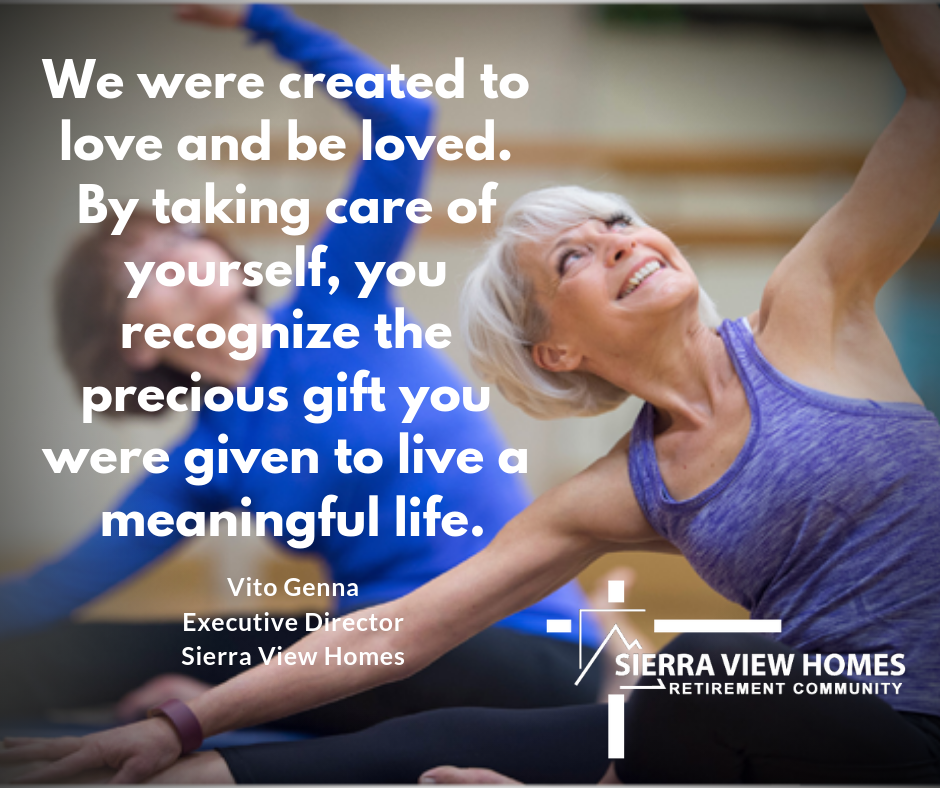
Each one of us has dignity as God’s Children. From the womb to death, each one is worth love and care. We were created to love and be loved. By taking care of yourself, you recognize the precious gift you were given to live a meaningful life. Too many, especially some care givers, give so much of themselves in being thoughtful, hard-working, persistent care deliverers, and in-addition active family members. All that caring takes a toll and we can easily see some get to a fatigue that diminishes health.

To those individuals, I say take time out for yourself. The old saying, if you don’t take care of yourself first, you are not going to be much help to others. It’s enlightening to consider self-care as an important sustainable habit that replenishes the body, mind and spirit.

Perhaps in this month, you can rework some habits that bring consideration to yourself. Is there a danger of too much pampering of oneself? For most of us, I don’t think so. The more we receive, the more we give away. May this Valentine’s Day find you replenished and able to love without limit and joyful to know that you are loved.

– Vito Genna, Executive Director

Want more articles like this? Sign up for Sierra View Homes’ monthly email newsletter! It includes events and happenings for the month along with thoughts from Vito Genna and SVH Chaplain Caley Ortmond. Submit your email address to Kecia at KFriesen@sierraview.org.