
fbpx
Pardon our dust! We are in the middle of a website redesign.

Are All Assisted Living Communities Alike? How to Choose.

iStock_000014651064XSmall

I am thinking it is time to move my mother into an Assisted Living Residence. How do I go about choosing one? Are all assisted living facilities alike? How do I deal with helping her adjust to the changes in her life?

This is a very good question because not all assisted living residences are alike. There is no standard blueprint for what an assisted living facility should look like.

Assisted living facilities go by many different names, like “personal care home,” “board and care home,” and “congregate living facility.” Some are multi-story buildings, some are private homes that have been converted into a group living environment, and others are more like hotels, with hallways and rooms on either side of the hallway. Some are part of a retirement community, and others have no attachment to any other type of facility. Depending upon what they call themselves and whether they are connected to other facilities, there are different rules and regulations according to their license with the State of California.

What is Assisted Living?

When is it time to consider Assisted Living?

Some factors to consider as you are choosing an assisted living facility for your loved one:

  • Location.
    A major factor in assisted living choice is the facility’s location. If possible, choose a location that is near to family members that will be able to visit frequently. Use the internet to find assisted living residences in your area. Also, the Valley Care Giver Resource has lists of places to choose from. I highly suggest you go and visit places you are interested in.
  • Staff.
    The first thing to look at when you enter a new facility is the staff. Are they friendly and welcoming? Ask them how long they‘ve been working there – longer is better! Watch how they are treating the current residents. In assisted living the staff is around to help with those tasks that have become difficult. Lurk around a bit to see if you can hear staff interacting with residents. How do you feel when you walk through the halls? Is your impression of the place a positive one?
  • Meals.
    If you can, have a meal at the facility. Watch how the meal is delivered to the residents and how tasty is it.  Talk to residents and find out about their experience in the facility. If residents are happy they will be eager to share how wonderful it is to live there.
  • Activities.
    Check the activities calendar. Is there an activity program that offers something for a variety of interests and physical ability levels? Are there activities your mother would enjoy doing?
  • Building Size and Layout.
    It is important that you choose a place that will best meet the needs of your loved one.  For some, a smaller and more intimate setting suits them better than a larger facility. Others enjoy having several social groups. Watch as you go through the facility for friendly common areas. Does the building seem well cared for? Is there a recreation room, library, social area, dining room, out door area that is welcoming?
  • Cost Structure.
    Rent for assisted living can vary greatly by the size of the room and services included in the rent. Some places include almost everything in the price, so the cost could be $2,000 to $3,500 per month. Others charge you for only the services your loved one uses, so the basic rent price is much lower, but the services cost can add up. Unfortunately, there is no government assistance to help with payment. The VA does have a program for Veterans and their wives to help defray costs of assisted living. The rent for assisted living is usually very reasonable when you consider what the rent covers.
  • Services Provided.
    Typically, assisted living facilities provide a long list of services. For example, most residential care facilities like Sierra View Homes’ assisted living provide:

      • 3 meals a day
      • 24 hour supervision
      • some personal care assistance
      • housekeeping and laundry services
      • minor medical supervision (with a medication technician who brings medicine to your loved one and documents that it was taken)
      • social, cultural, educational and physical activities to keep your loved one’s mind and body functioning as well as possible
      • snacks for those who need a little something to tide them over from meal to meal
      • a room with a full bathroom.

    Sierra View Homes Retirement Community offers even more than these basic services above in our assisted living/residential care.

  • What to Bring.
    Transitioning into a new living environment is difficult no matter what age. When getting ready to move to an assisted living setting, talk to the staff about what to bring. Most facilities will have a handbook or at least a list of what you will need. Plan what pieces of furniture you want to bring with you. Most facilities have the resident bring their own things to make the room feel more like home. If you are moving a relative in, it may be good to set up the room without them and then adjust things to their liking later.

Tip: Become acquainted with the facility so you know your way around and can help your loved one find places like the dining room and social areas easily. Don’t expect your mother to move in and be comfortable at once. I tell families that it takes at least a month before a new resident feels confident and comfortable. Families are encouraged to support the new resident by frequent visits and even dining with them at times.
 

11 Benefits of Living in a Retirement Community

Wondering if retirement community living is really better than living in a house? It is!

Below is a list of reasons that retirement community living beats living alone in a home every time.

Benefits of Living in a Retirement Community:

  • FriendshipsFriends

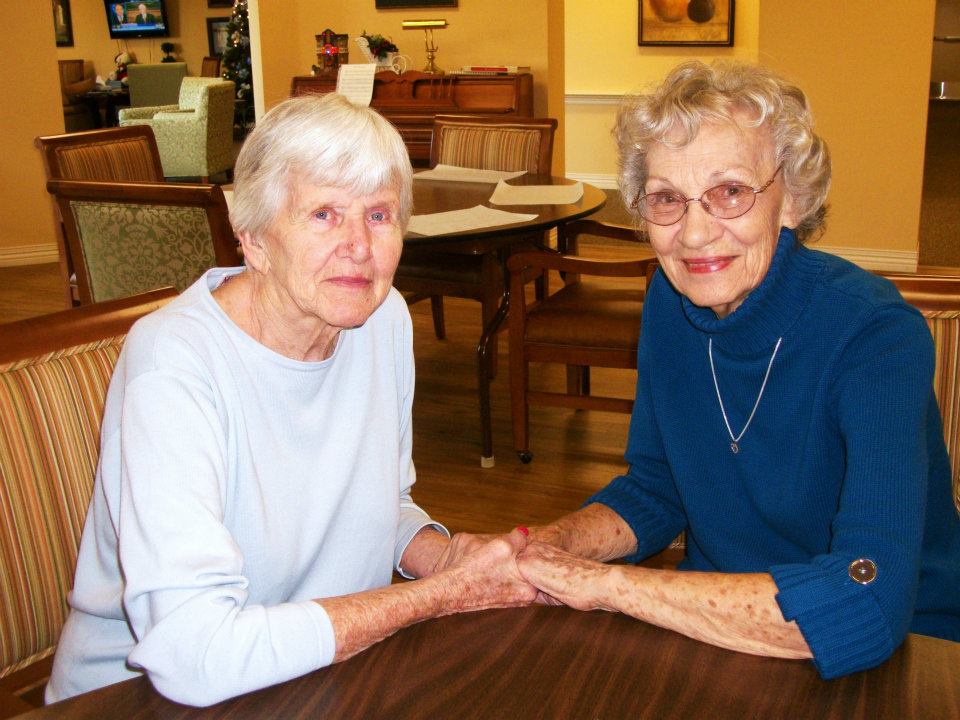
    As we age, we often lose roles, spouses, and friends. As a result, living at home can become lonely. Living with peers offers friendship, companionship and a sense of community. Neighbors become traveling companions, friends who share a cup of coffee, and often a fellowship and support group in times of need.

    On the day I arrived and moved into my apartment, I was welcomed by many of my neighbors,” said Mary Lou Martens. “One of my neighbors even brought over some cupcakes to enjoy with my coffee! My doorbell rang quite often during that first week. Though I didn’t know them at the time, they’ve since become good friends. It’s so nice to know that I’ll always have someone to talk to, someone who notices when I’m away, and always someone who will help when it is needed. We look out for each other! One of the best decisions in my life was coming to live at Sierra View Homes Retirement Community.”

  • Safety and Peace of Mind.

    Living in a retirement community can combine the best of both worlds, offering both freedom and safety. Sierra View’s gated community, security cameras, key-card locked building, indoor mail slots, and vigilant neighbors mean that you have more security than you would in a house. Friends check in on each other, noticing when someone is missing from the dinner table. Additionally, in case of some sort of medical event, nursing staff are right across the parking lot. All of this combines to increase the feeling of safety and provide peace of mind.

  • Less Home Maintenance.

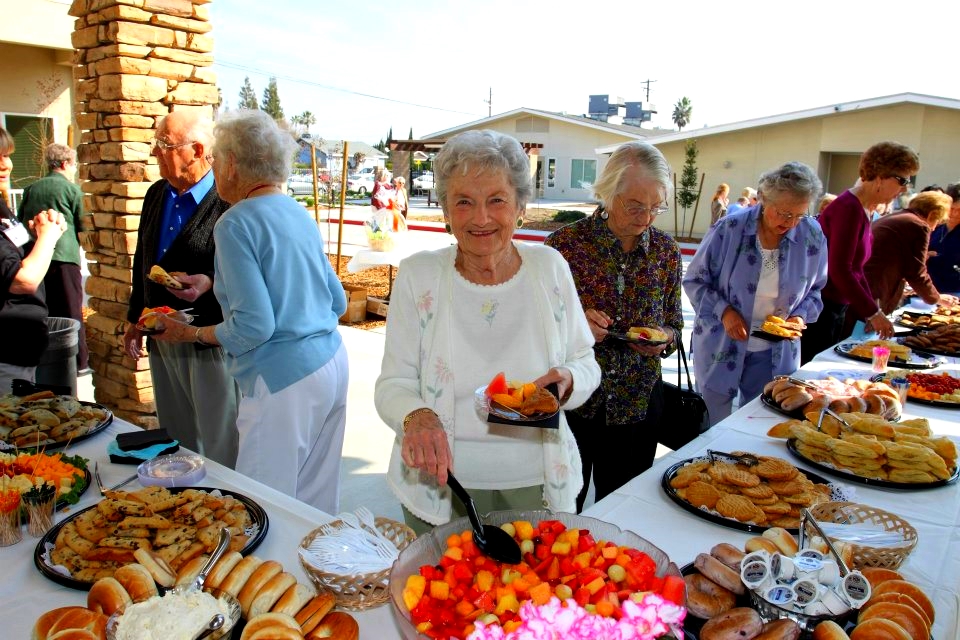
    As we age, home maintenance becomes increasingly difficult. Gutters, lawns, and leaky hot water heaters are no respecters of age! This is one of the biggest benefits to life in a retirement coCCRC_Buffetmmunity – the chores of keeping up a house are gone. You do not have to worry about who will water the lawn while you travel, or deal with the financial burdens of home ownership. 
  • Less Cooking.

    Many retirement communities (like Sierra View Homes Retirement Community in Reedley, CA) offer meal plans, where a certain number of meals are provided each day. These meals are tasty, and provide the opportunity to socialize with neighbors.

    We never miss the evening meal,” said one resident. “Not only is it nice not to worry about cooking, it’s also an important time for us to connect with our friends. My husband and I are always busy and out and about, but we plan around meal time with our neighbors and try to make it a priority.”

  • Interesting Activities.

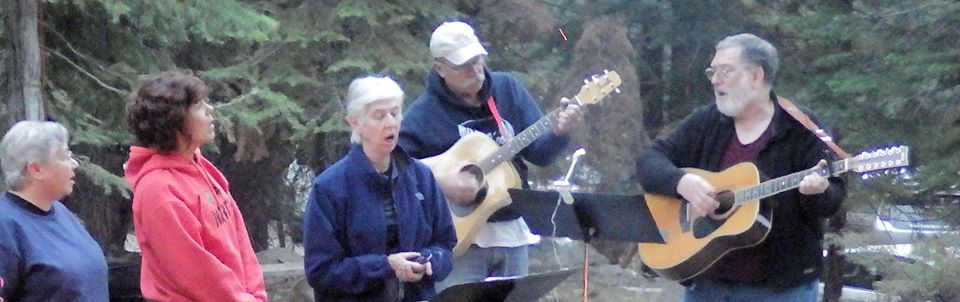
    Retirement communities make social activity a priority, making it easier to keep active as you age. There’s something for everyone! Bingo, movies, exercise classes, swimming, cooking, musical events, shuffle board, pool-playing competitions, bus trips and featured programs  – the busy activities calendar increases the level of social activity and provides entertaining ways to socialize. Living in a retirement community makes it easier to find peers who have similar interests and enjoy similar activities.
    Sierra View Guitar

  • Transportation.

    Most retirement communities offer transportation to surrounding shops and resources, which can be a vital service once driving is no longer an option. Sierra View’s shuttle goes to supermarkets every week, and other locations in the nearby city for special events. Even those who can drive often choose to tag along with their friends on the facility shuttle – why not turn the weekly shopping trip into a chance to chat?

  • Freedom.

    After devoting years to work and family, many seniors have a desire to experience traveling, deepening relationships or simply enjoy doing the things that interest them. There is a sense of freedom when you leave on a trip and know the staff and friends of the retirement community are watching your place. For many people, becoming a resident of a retirement community is a wonderful thing because many of the worries and burdens of life are gone, and in their place come new friendships, traveling companions, and rich experiences.

  • Access to Additional Services/Care Without Relocating.

    Recovering from a fall and need rehabilitation? Need some extra in-home services? Recovering from an illness that needs temporary skilled nursing care? These are situations that would require a complete relocation while still living in a house alone. In a retirement community, stepping up to a higher level of care does not necessitate losing your home, or even leaving it. Retirement communities offer the ability to smoothly move from one level of service to another, and back again, and typically preferred access to higher levels of care is given to those already living in the community.

  • Lower Financial Burden.

    There are often choices for housing in retirement communities, meaning that residents can choose their housing based on their budget. Knowing what your rent will be, and what your extra payments are, can help with budgeting for the future. A move to a retirement community can often lock in rates, or lock them to planned-for increases, which works better for a senior’s fixed income.

  • Respectful Neighbors.

    piano2
    Retirement communities have an age requirement of 55 and older, and as a result they enjoy a level of peace and quiet that cannot be found out in the general community. No loud rap music and frat parties here! 

  • Volunteer Opportunities.

    Retirement communities offer a wealth of opportunities for residents to make a difference, through service projects like gardening to make the community more beautiful, reading to those whose eyesight no longer allows them to, leading support groups, and going out together to make a difference in the Reedley community.

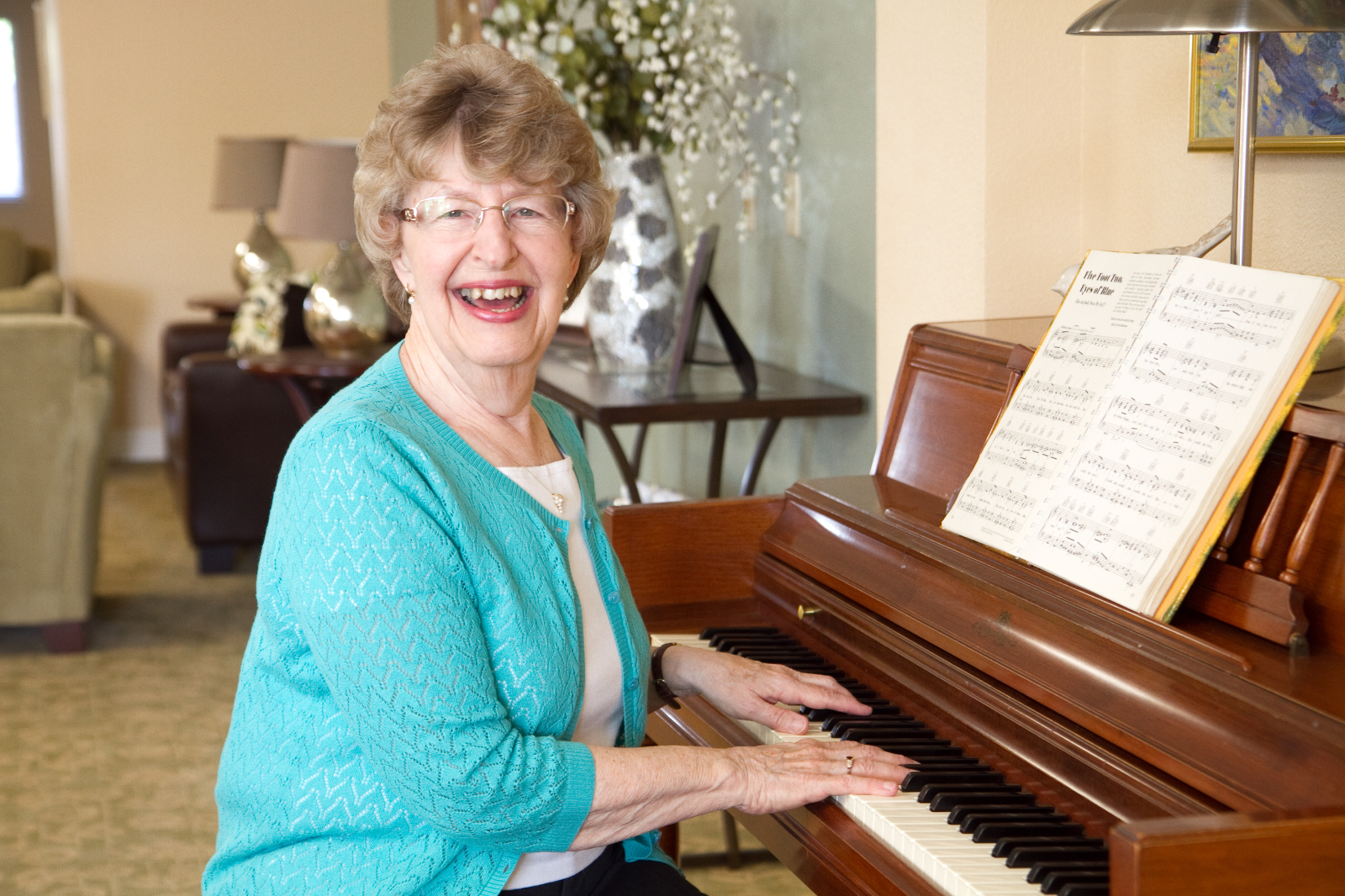
    I thought, what do I have to give? I realized that I can share my music. I have been playing the piano in the lobby for awhile now and I can’t begin to tell you how blessed I feel. There are so many opportunities here for those of us who enjoy volunteering. Sierra View Homes Retirement Community in Reedley, CA is the best place to live as a retiree.”

Make the transition to a retirement community today! The sooner you do, the sooner you’ll be enjoying the benefits that only retirement community living can provide.

Retirement Communities and Eating Habits

Could moving to a retirement community improve my eating habits and help me eat a healthier diet?   
– D. Mc. of Reedley, California

Yes! Living in a retirement community does encourage better eating habits. Very often, socialization during meals results in an increase in appetite.

Having a healthy diet with proper nutrition has benefits, such as increased mental ability, better mood stability, a strong immune system, more energy and faster recuperation times.

As we age there are factors that cause our eating habits to change, such as the loss of a spouse, a limited budget, metabolism starts to slow down around age 40. Activity levels change due to medical or physical problems. Our sense of taste and smell diminish and various factors can cause appetite changes, such as medication, depression, or an acute or chronic medical condition.

In the aging process we need to continue to exercise.  Statistics show weight more than age determines how much energy we have.  Eating food with fiber keeps the digestive system working well. Taking calcium walking and getting 15 minutes of sunlight daily, helps keep bones strong. Drinking plenty of water promotes regularity, helps our joints, keeps us feeling energetic and much more.  Avoiding foods with high sugar content is important; sugar can suppress the immune system, weaken eye sight, and contribute to obesity, diabetes and other chronic health issues.

Retirement living facilities offer help with maintaining good eating habits. Some independent living facilities have meal plans that can be purchased by the people who live there. There are facilities that offer one meal a day; others offer 2 or more. Some have the meal plan built right into the rental price. There are also assisted living and skilled facilities that serve 3 meals a day.

It should be noted that retirement communities create menu cycles based on the direction of a registered dietitian. For example, SVH has John Varin, RD who verifies diets for proper nutrient content and gives direction to the kitchen supervisor in coordinating food preparation and modified diets. . Retirement communities offer nourishing meals and the socialization encourages better nutrition by continuing to wet the resident’s appetite.

If living in a retirement facility is not an option then try having a potluck frequently with friends. Go to the community center either in Dinuba or Reedley for a noon meal M-F.

Both programs are serving meals very reasonably priced and offer other activities with possibilities to meet new friends and have things to do.

The life span for the average American is increasing. A healthy diet and regular exercise can help us live those extra years with energy, and enjoyment.

This article was co-written with John Varin, R.D. He is the consultant dietician for Sierra Kings Hospital and a number of long term care facilities in the Reedley area.